Currently Empty: $0.00
Why Skid Steer Engine Cooling Matters in Dusty Conditions
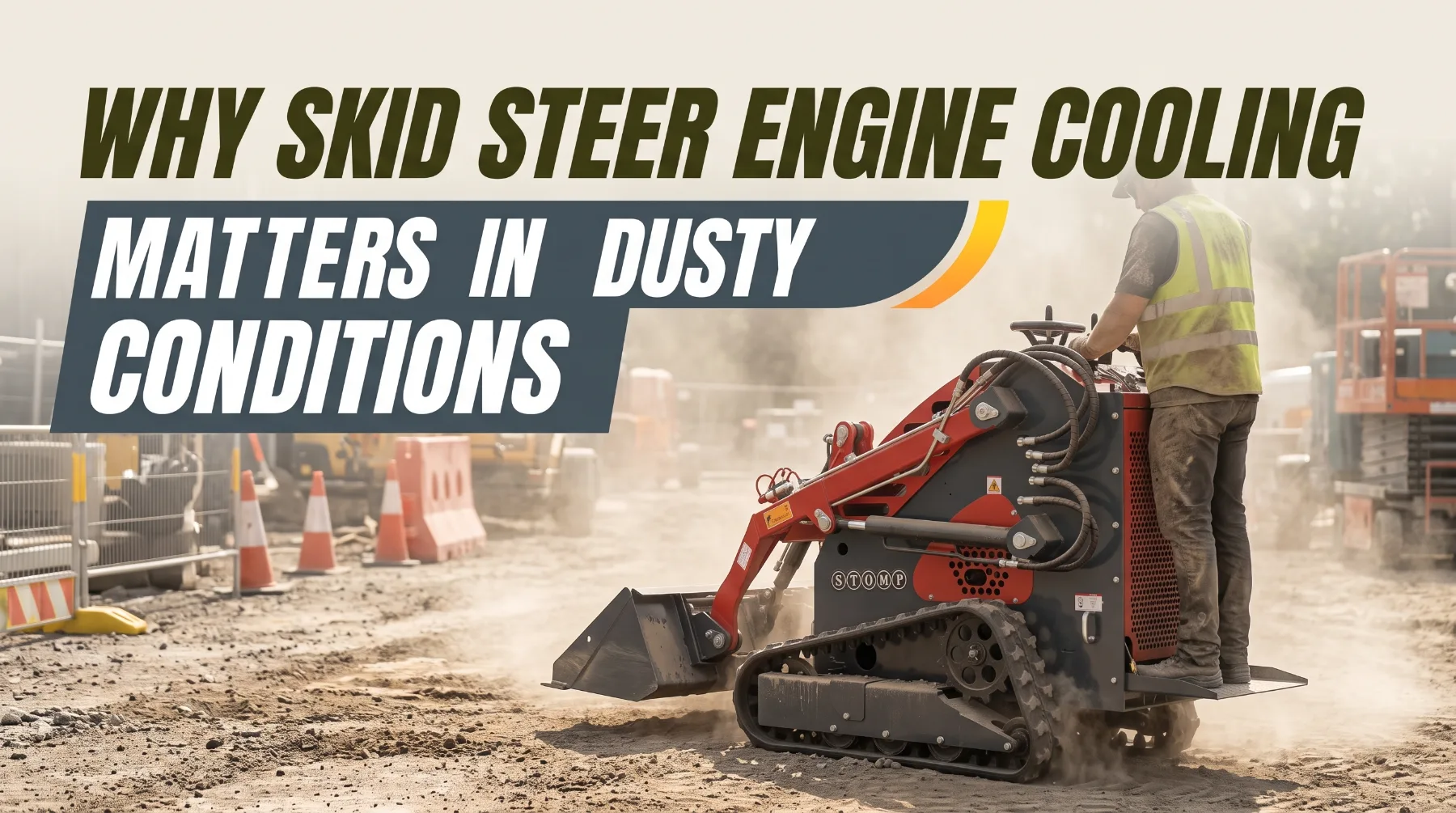
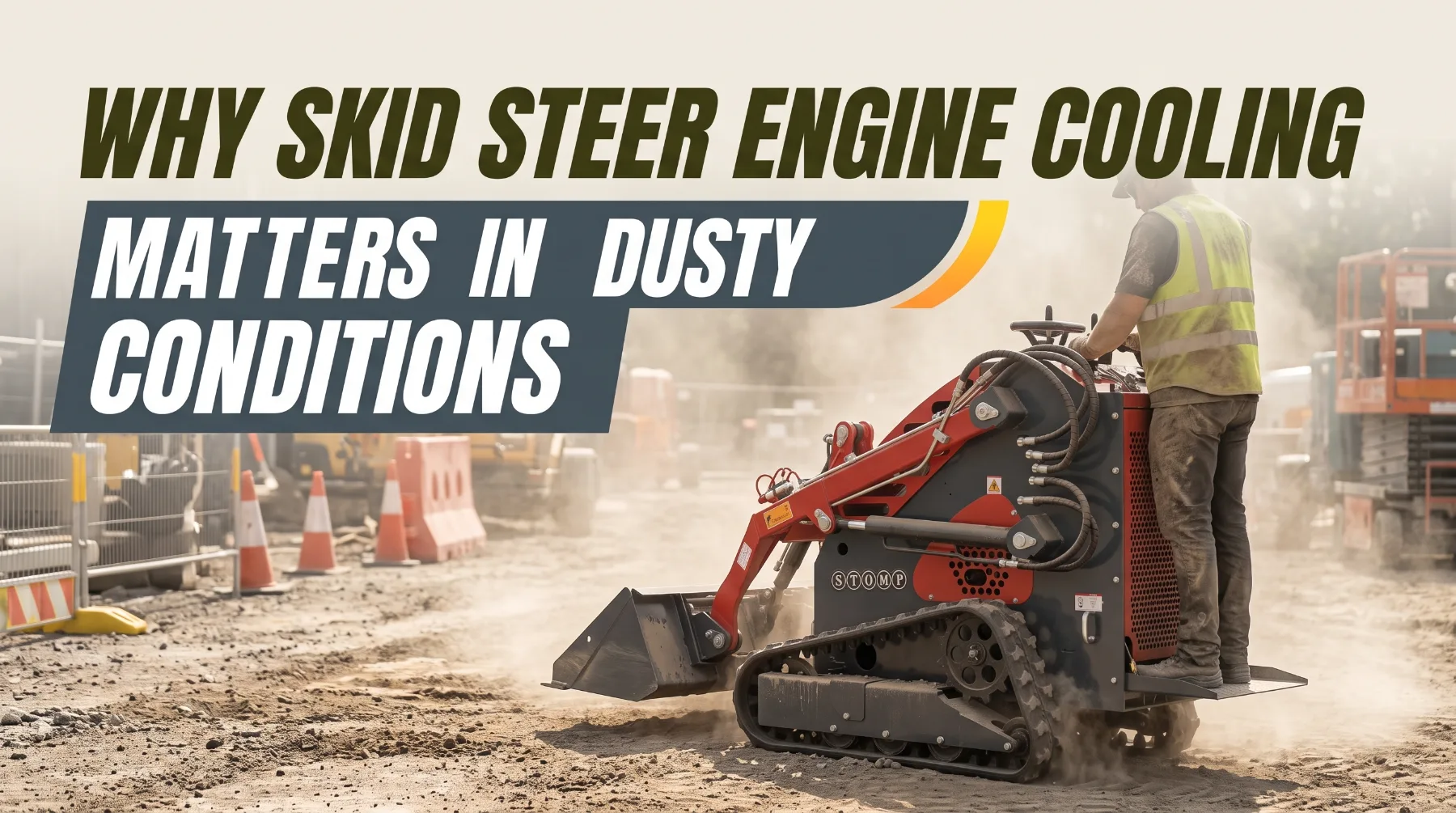
Dusty demolition work can push a skid steer cooling system harder than the operator may realize. As the machine tears through rubble and cycles the hydraulics under heavy load, fine dust settles across the cooling screens, radiator, and other airflow paths behind the cab. The machine may continue operating normally while debris gradually restricts the air moving through the system. Once that airflow drops, the engine has a harder time releasing heat, increasing the risk of elevated temperatures during demanding work.
Behind every effective cooling system is a steady supply of clean airflow. Radiators, screens, fans, and air passages all need to work together to carry heat away from the engine. Dust and debris can interfere with that process by covering cooling surfaces or blocking the openings that allow fresh air to pass through. The heavier the airborne material and the longer the machine works, the more important regular inspection becomes.
Keeping temperatures under control requires more than reacting to an overheating warning. Cleaning cooling screens, checking the radiator for buildup, inspecting the fan and surrounding components, and monitoring engine temperature can help catch airflow problems early. Matching the inspection routine to the severity of the jobsite also keeps the cooling system ready for long hours of dusty operation.
Dust Can Restrict Airflow
Airflow is the foundation of engine cooling. The system relies on a steady stream of air moving across the radiator and cooling surfaces to carry heat away from the engine. Cut off that airflow, and the whole system loses its ability to do its job, no matter how well the rest of the machine is running.
Dust is what cuts it off. Heavy buildup around radiators, cooling screens, and other surfaces reduces the volume of air passing through them, and on a dusty site that buildup happens fast. As the restriction worsens, the cooling system struggles to remove heat during continuous operation, and engine temperature starts climbing toward territory it shouldn’t reach. The trouble is that this happens gradually, so it’s easy to miss until the machine is already running hot.
Key takeaway: Cooling depends on airflow, and heavy dust buildup on radiators and screens restricts that airflow, making it harder for the system to remove engine heat.
Radiator Cleanliness Matters
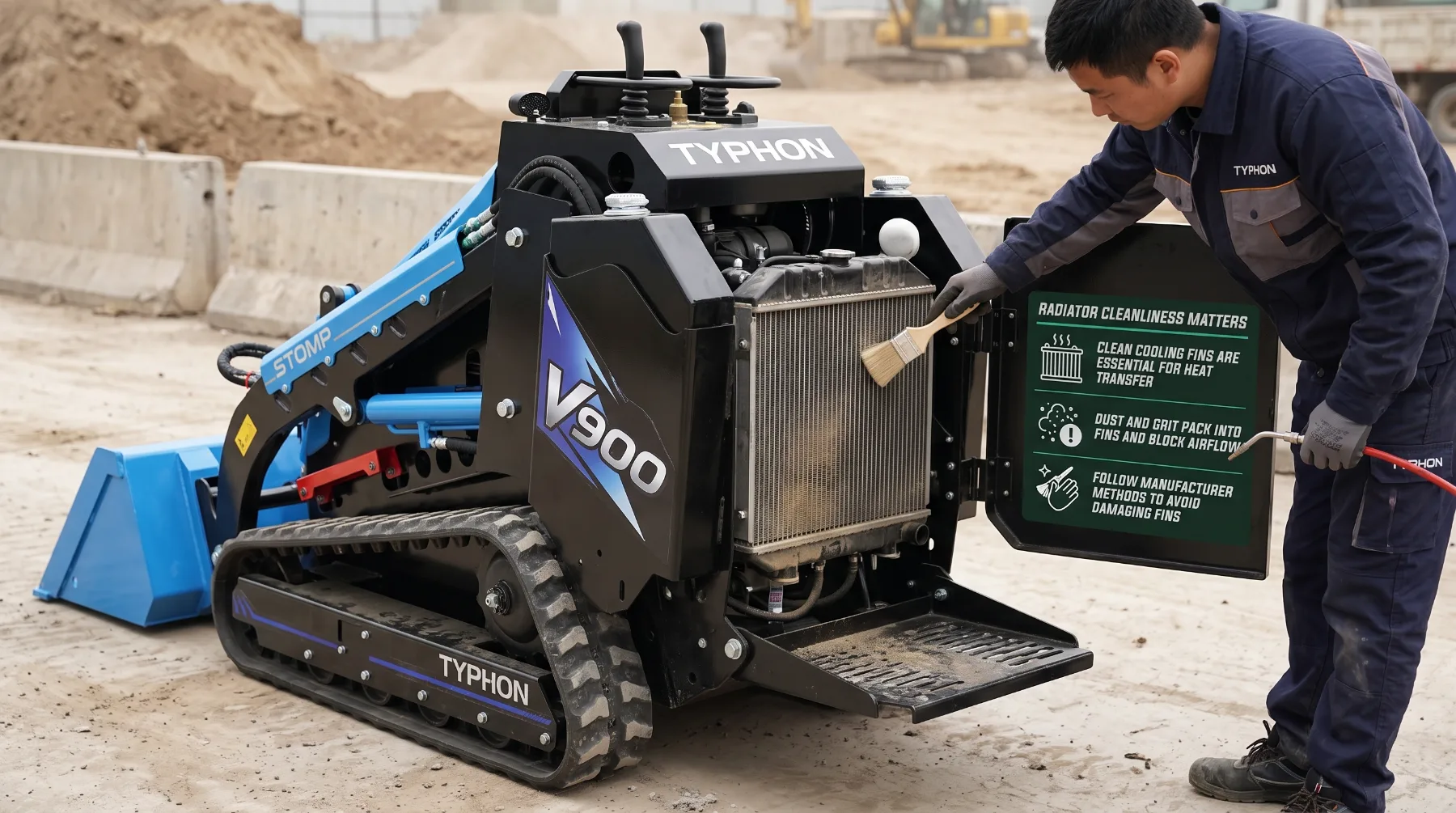
The radiator deserves special attention in dusty environments, because it’s where heat transfer actually happens. Air passing between the radiator’s cooling fins carries heat out of the coolant, and that process only works when the fins stay open and clean. Block them, and heat transfer drops sharply.
Dirt and fine particles are exactly what block them. Over a dusty shift, grit works its way between the cooling fins and packs into place, forming a barrier that air can’t move through freely. Regular inspection and cleaning keep that surface open so air flows the way the system needs. Cleaning the radiator correctly matters too, so always follow the manufacturer’s recommended method to avoid bending or damaging the delicate fins.
Key takeaway: The radiator relies on clean, open fins for heat transfer, so inspect and clean it regularly to keep dust and fine particles from blocking airflow.
Engine Load Raises Heat Output
Skid steers rarely work gently. Digging into packed ground, lifting heavy material, pushing debris, and driving hydraulic attachments all put the engine under high load, and heavy load means more heat. The harder the engine works, the more heat the cooling system has to manage to keep temperatures in check.
This is where dust and load combine into a real problem. When the machine already runs under heavy load for extended periods, the cooling system is working near its limits to shed the extra heat. Add restricted airflow from dust buildup, and the system loses the margin it needs right when it needs it most. A clean cooling system that copes fine with light work can fall behind fast under demanding load with clogged screens.
Key takeaway: Heavy digging, lifting, and pushing raise engine heat output, so dust-restricted airflow becomes far more dangerous when the machine works under heavy load for long periods.
Hydraulic Heat Also Adds Demand
The engine isn’t the only source of heat a skid steer cooling system handles. Hydraulic operation generates heat too, and on many jobs that adds a significant load to the cooling system. Running high-flow attachments and cycling the hydraulics repeatedly both push system demand higher during certain kinds of work.
That means the cooling system often manages heat from two directions at once: the engine and the hydraulics. When both are working hard, the demand on airflow climbs accordingly. Keeping cooling components clean is what provides the airflow needed to handle that combined heat load. Skimp on that cleanliness, and a job that leans heavily on hydraulic attachments can overwhelm a cooling system already fighting dust.
Key takeaway: Hydraulic work, especially with high-flow attachments, adds heat to the cooling system, so clean components are essential to manage heat from both the engine and hydraulics.
Dusty Jobs Need Frequent Checks
Not every job exposes a skid steer to the same amount of dust. Construction, landscaping, agriculture, and demolition work each throw off different levels of airborne material, and the dustier the environment, the faster cooling surfaces clog. Your inspection routine should reflect the conditions the machine actually faces, not a fixed calendar.
When you’re working in heavy dust, make a habit of checking the cooling screens, radiator surfaces, air filters, and surrounding areas regularly. As site conditions get dustier, cleaning intervals need to get shorter to keep pace. A schedule that works fine on a clean site may leave the machine dangerously clogged on a demolition job. The practical rule is simple: let the conditions set the frequency, and check more often when the dust is thick.
Key takeaway: Dustier jobs clog cooling surfaces faster, so inspect screens, radiator, and air filters more frequently and shorten cleaning intervals as conditions demand.
Warning Signs of Poor Cooling
A skid steer usually tells you when its cooling is falling behind, and recognizing those signals early can save an engine. Watch for a rising engine temperature reading, reduced performance, warning indicators on the display, or any unusual operating behavior. Each of these can point to a cooling problem taking hold.
These signs matter most when the machine is under heavy load, which is precisely when overheating does the most damage. Ignoring them and pushing on risks turning a manageable issue into serious, costly engine damage. The right response is to stop the machine safely, let it cool as needed, and follow the manufacturer’s inspection procedures to find and clear the cause. Acting on the first warning is always cheaper than repairing what happens if you don’t.
Key takeaway: Rising temperature, reduced performance, warning lights, or unusual behavior can signal a cooling problem, so stop safely and follow manufacturer inspection procedures rather than pushing on.
Daily Maintenance Supports Cooling
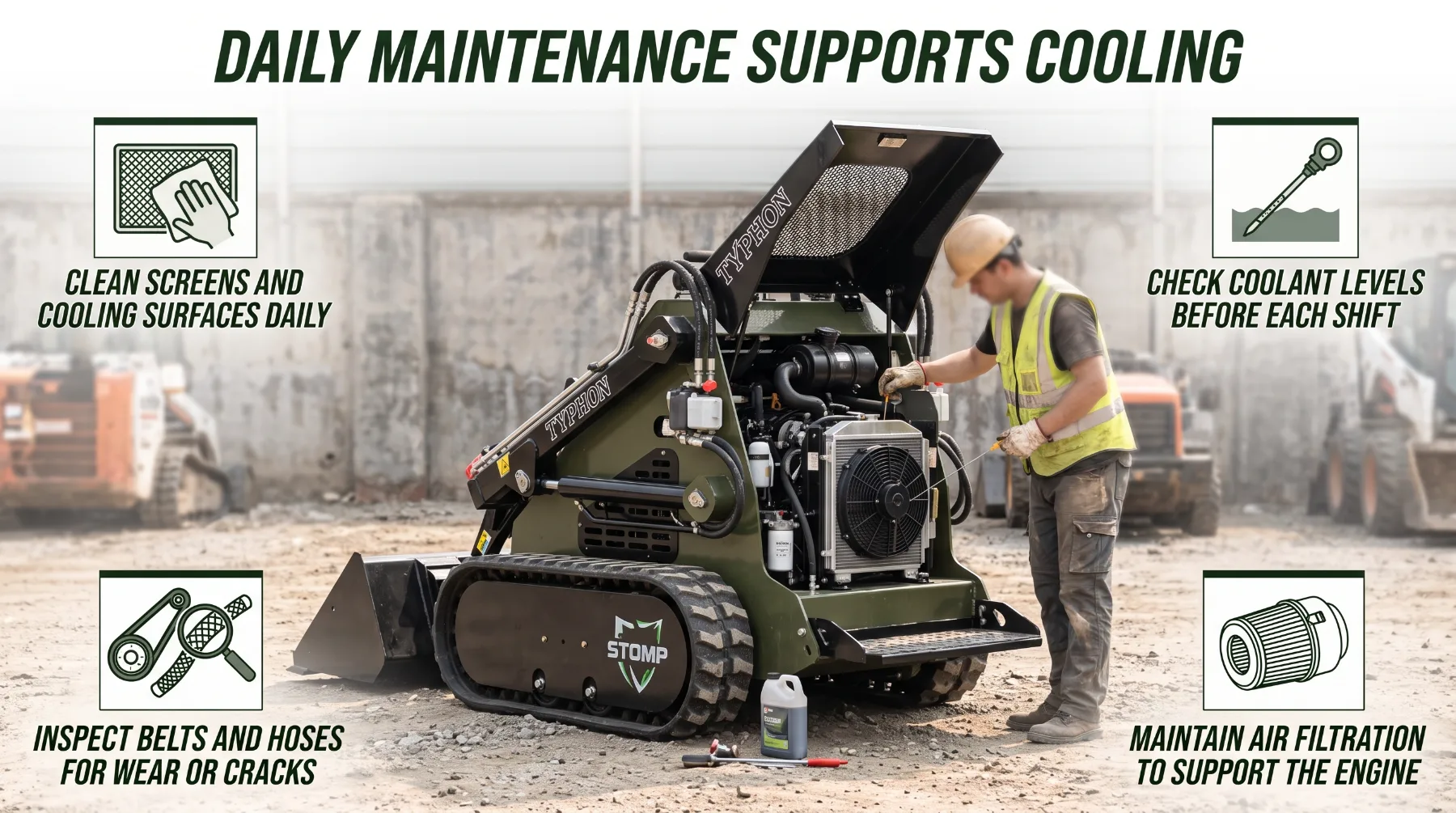
Consistent, simple maintenance is what keeps cooling reliable in dusty conditions, and none of it is complicated. A steady daily routine does more to prevent overheating than any single deep cleaning ever could, because it stays ahead of the buildup instead of reacting to it.
A sound routine covers the essentials that protect temperature control:
- Clean the screens and cooling surfaces to keep airflow open through the engine compartment.
- Check coolant levels so the system has the fluid it needs to carry heat away.
- Inspect belts and hoses for wear, cracks, or looseness that could compromise the system.
- Maintain the engine air filtration system, since dust loads filters quickly and clean filtration supports the engine directly.
Carry these out according to the manufacturer’s recommended procedures, and the cooling system stays ready for demanding work shift after shift.
Key takeaway: Simple daily maintenance, including clean screens, proper coolant, sound belts and hoses, and good air filtration, supports temperature control when done per manufacturer procedures.
Conclusion
Engine cooling becomes especially important when a skid steer operates in dusty conditions because contamination can restrict airflow through the radiator, cooling screens, and related components while heavy engine, hydraulic, and attachment loads continue generating heat. Radiator fins, screens, and air passages should be cleaned according to the manufacturer’s procedures to maintain adequate airflow, while the coolant level, belts, hoses, air filter, and other cooling components should be inspected regularly for damage, restriction, or wear. High engine load and intensive hydraulic operation can increase heat rejection requirements, making clean cooling surfaces and proper air filtration more important during demanding cycles. Inspection and cleaning intervals should be adjusted to the site’s dust levels rather than following a fixed schedule alone, particularly during excavation, grading, demolition, or dry agricultural work. Temperature warnings or signs of overheating should be addressed immediately by stopping safely and following the manufacturer’s inspection procedures instead of continuing under excessive thermal load. Consistent cooling-system maintenance helps the skid steer control operating temperatures and maintain reliable performance during extended work in dusty environments.
Frequently Asked Questions
Why does dust affect skid steer engine cooling?
Dust can clog cooling screens and settle between radiator fins, restricting the airflow needed to remove engine heat. Dry soil, gravel, sand, and demolition debris can cause buildup quickly, especially during continuous work. As airflow decreases, engine temperature can rise, making regular inspection and cleaning important on dusty jobsites.
How often should a skid steer radiator be cleaned?
Cleaning frequency depends on jobsite conditions. Heavy dust or debris may require inspection and cleaning several times a day, while cleaner sites may need less frequent attention. Check the radiator regularly and clean it when buildup restricts airflow. Follow the manufacturer’s cleaning procedure to avoid bending the cooling fins, which can also reduce heat transfer.
Can hydraulic work increase cooling demand?
Yes. Intensive hydraulic work generates additional heat that the cooling system must manage along with engine heat. High-flow attachments and frequent hydraulic cycles can increase this demand, making clean cooling surfaces especially important. Dust buildup can reduce airflow and leave less cooling capacity available during demanding hydraulic work.
What indicates a skid steer may be overheating?
Warning signs include a rising temperature reading, dashboard alerts, reduced performance, or unusual operating behavior. If these appear, stop the machine safely, allow it to cool, and follow the manufacturer’s inspection procedure. Possible causes include clogged cooling surfaces, low coolant, or other cooling-system problems. Addressing the warning early can prevent serious engine damage.